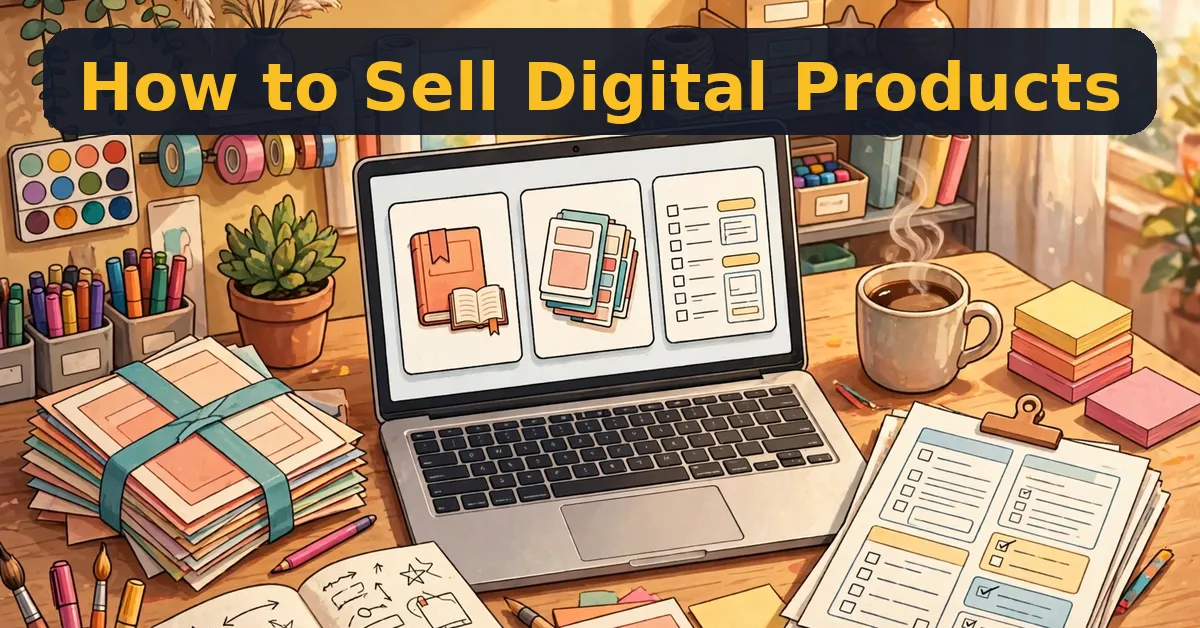
Selling digital products sounds simple until you try it. Most beginners build something big, launch to silence, and quit. The fix is smaller: sell a small product that solves one real problem.
This guide shows how to sell digital products step by step, from finding demand to listing your first micro-product.
See the AI Micro-Product Machine
What Counts as a Digital Product?
A digital product is any file a buyer downloads: a checklist, a template, a mini-guide, a kit, or a short course. No stock, no shipping, and no warehouse. You build it once, and you sell it many times.
Micro-products are the smallest useful version. A one-page checklist beats a 200-page ebook that never ships, because buyers finish small products and actually use them.
6 Steps to Sell Digital Products

Step 1: Find Demand First
Build from evidence, not guesses. Look for four audience signals: repeated questions, unfinished tasks, avoidable errors, and requests for examples. If people keep asking, a product already has buyers.
Step 2: Pick One Problem
Write the outcome in one sentence, using an observable verb. “Price a logo in 10 minutes” sells better than “learn design,” because buyers see exactly what they get.
Step 3: Choose the Smallest Format
Match the format to the job: checklist, template, mini-guide, or kit. Each format has a failure mode, so pick the one that fits the problem, not the one that looks impressive.
Step 4: Build and Test
Build the first version fast, then run a first-use test with a real person. Watch where they get stuck, and fix that spot. Testing beats guessing every time.
Step 5: Price and List
Price for the outcome, not the page count. List on Etsy, Gumroad, or Payhip with a clear title, one promise, and a preview buyers can see before paying.
Step 6: Ship, Then Improve
Ship the tested version, collect buyer questions, and improve from real feedback. One shipped product teaches more than ten planned ones.
Where to Sell Digital Products
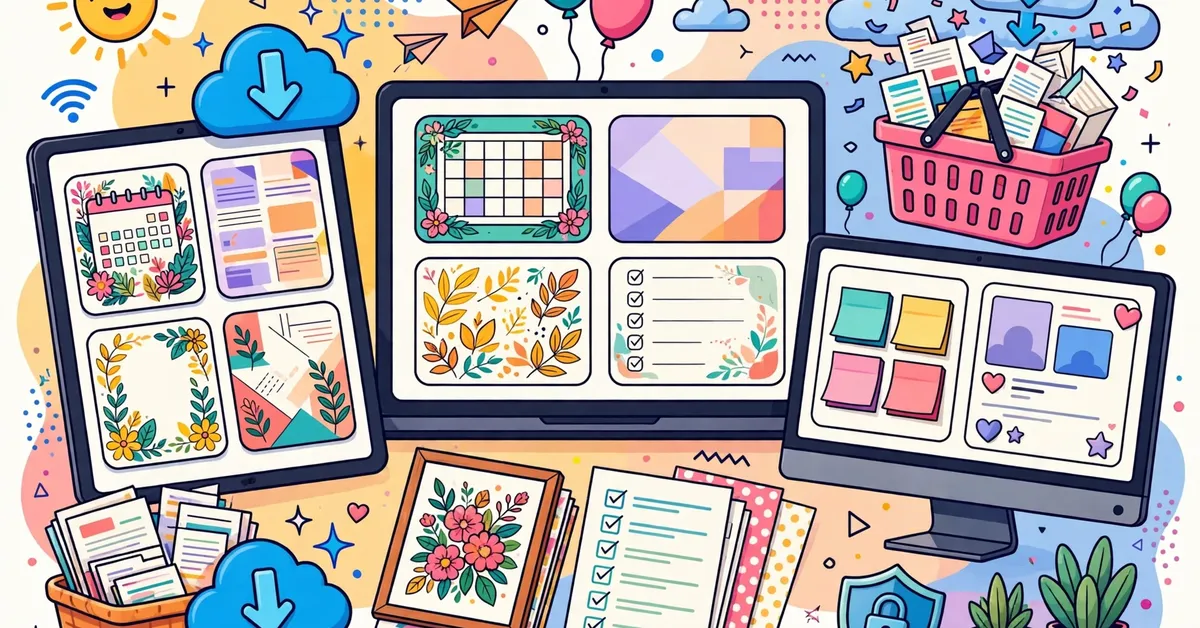
Etsy suits printable and template products with built-in search traffic. Gumroad and Payhip suit creators with their own audience, since setup is fast and fees are simple. Pick one store first, and add a second only when the first one sells.
Featured Tool: The AI Micro-Product Machine
The AI Micro-Product Machine by AIFUEL is a nine-stage system for creating small, finishable digital products, with AI as an assistant under human direction. It includes a 30-day action plan, a ship-your-first checklist, and three vendor bonuses. Our full review rates it 4.1 out of 5, and you can read it here: AI Micro-Product Machine Review.
Two honest notes from that review: the sales page does not show the price (you see it only at the WarriorPlus checkout), and no refund terms were found on the sales page. Judge the system against the checkout price with a clear head.
Check the AI Micro-Product Machine
Pros and Cons
The Pros
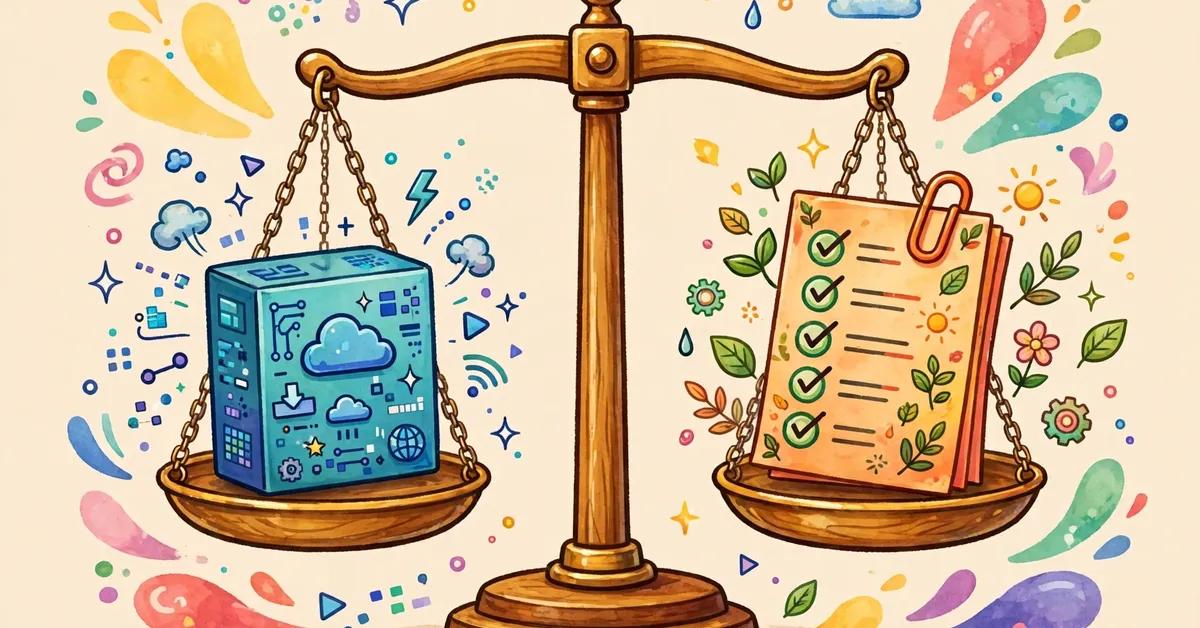
- The core insight is correct. Shipping small, finishable products beats planning big ones that never launch. This is truly good advice, well systematized.
- Honest AI positioning. AI as assistant under human direction — with traceability — is the responsible way to teach AI-assisted creation.
- Worked examples throughout. Weak-vs-strong side-by-sides teach faster than theory alone.
- Built-in testing discipline. First-use tests, clarity reviews, and accessibility passes are things most creator guides skip entirely.
The Cons
- Price hidden until checkout. I consider this a genuine negative — you should not have to click “buy” to learn what something costs.
- Unproven vendor. I found no verifiable launch history for AIFUEL. The method reads well, but there is no reputation behind it.
- Urgency marketing. The “limited launch, may close at any time” framing is pressure copy. Judge the product on its merits, not the clock.
- No refund terms found. The sales page I reviewed does not state a refund policy. Assume all sales are final unless the checkout says otherwise.
Frequently Asked Questions
How much money do I need to start?
Almost none. A document editor, an AI chat tool you already use, and a free store account are enough for your first product. Spend on tools only after your first sale.
What should my first product be?
The smallest thing that solves a repeated question from your audience. A checklist beats a course for a first product, since it ships fast and proves demand.
Is the AI Micro-Product Machine worth it?
For creators whose best ideas keep dying in drafts, yes, the method is sound. Read the full review first, since it lists the price and vendor caveats: AI Micro-Product Machine Review.
My Bonus for Readers
When you pick up the AI Micro-Product Machine through my link, I am adding one original bonus I created to complement this guide — not a recycled freebie:
Bonus 1: Micro-Product Idea Worksheet — demand signals, outcome sentence, format picker, and kill-criteria on one page.
⬇️ Download Bonus 1: Micro-Product Idea Worksheet (PDF)
Click the download button above to get the bonus instantly — no forms, no waiting.
Final Thoughts
Start with demand, build the smallest useful thing, test it with a real person, and list it. Then repeat. That loop is the whole business, and it works at any size.
✍️ My Personal Verdict
From my research, the creators who win at digital products are not the most talented, they are the most consistent shippers. Small products, tested with real users, listed without delay — that habit compounds into a catalog and an income. If your ideas keep dying in drafts, borrow a system like the one featured here, but keep your judgment in charge: check the checkout price, ignore the urgency copy, and ship the smallest thing this week.
Get the AI Micro-Product Machine
Affiliate Disclosure
This guide contains affiliate links. If you buy through them, I may earn a commission at no extra cost to you. This helps support Pickzox and keeps our reviews free. My views stay honest, and I only feature products I have researched with care.