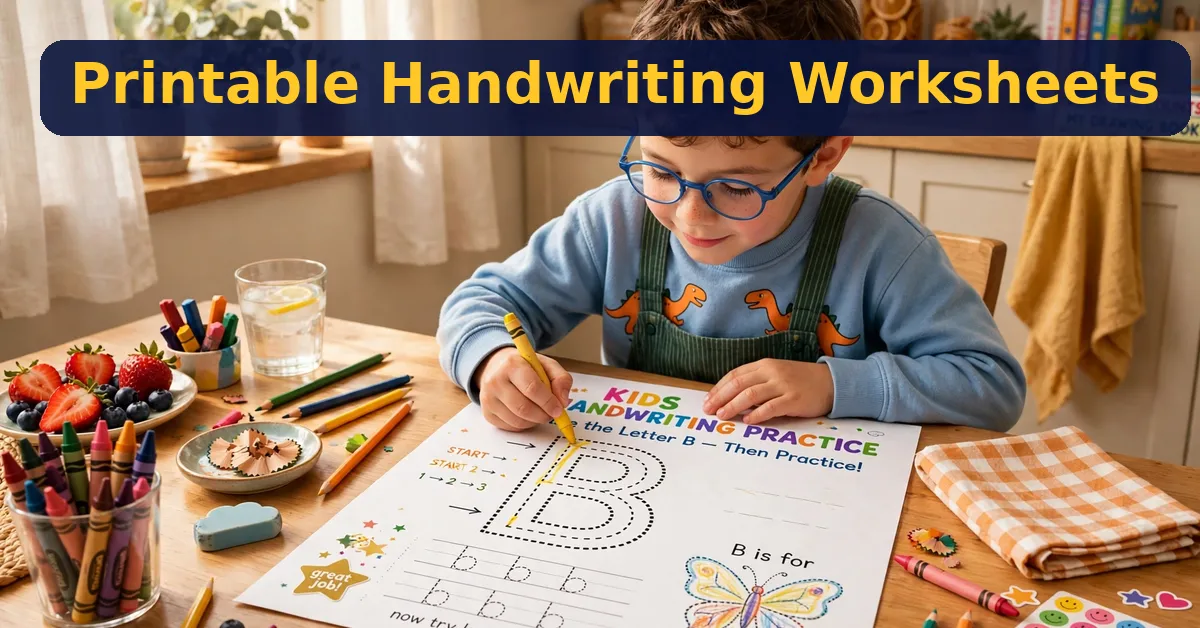
Printable handwriting worksheets give young kids daily letter practice without screens. This guide shows how to pick, print, and use them for ages 4 to 6.
If you want my full take on one worksheet prompt set, read my Tracey Kids review first. The steps below work with any sheets, and the tool choice comes later.
Start With Letters, Then Numbers
Start with uppercase letters, since their shapes are simpler for small hands. Move to lowercase letters next, and then to numbers 0 to 20. Moreover, one letter per day beats ten letters in one sitting. As a result, short daily practice builds steadier skills than long weekly sessions.
Fun themes keep kids going. Animals, space, and seasons all work, and a theme per week adds variety. Therefore, rotate themes often, and let the child pick sometimes.
Print and Practice Right
- Print on US Letter paper at full size.
- Use 300 dpi files for crisp lines.
- Start with thick crayons, then move to pencils.
- Practice one sheet per day, five days a week.
- Praise effort, not just neat letters.
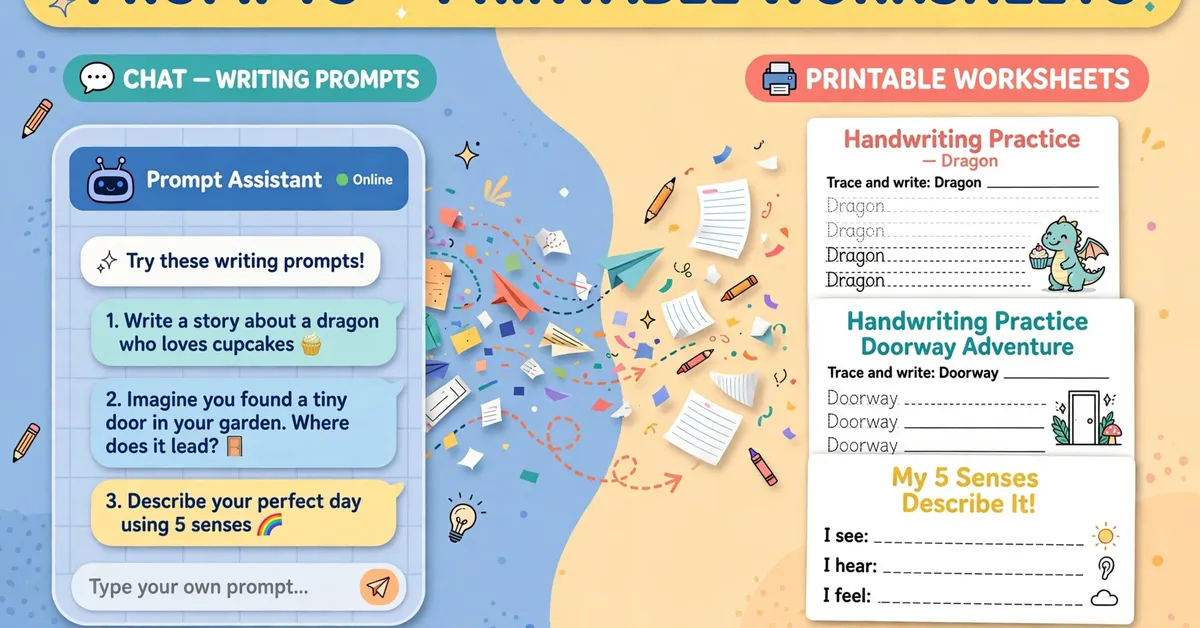
A prompt set can speed sheet-making. For example, Tracey Kids offers 310 ready-to-use ChatGPT prompts plus a page template, with letters, numbers, and 20 fun themes. Its front end is $9.95, with commercial use included, but remember ChatGPT Plus is recommended for the Python tool.
Build a Weekly Plan
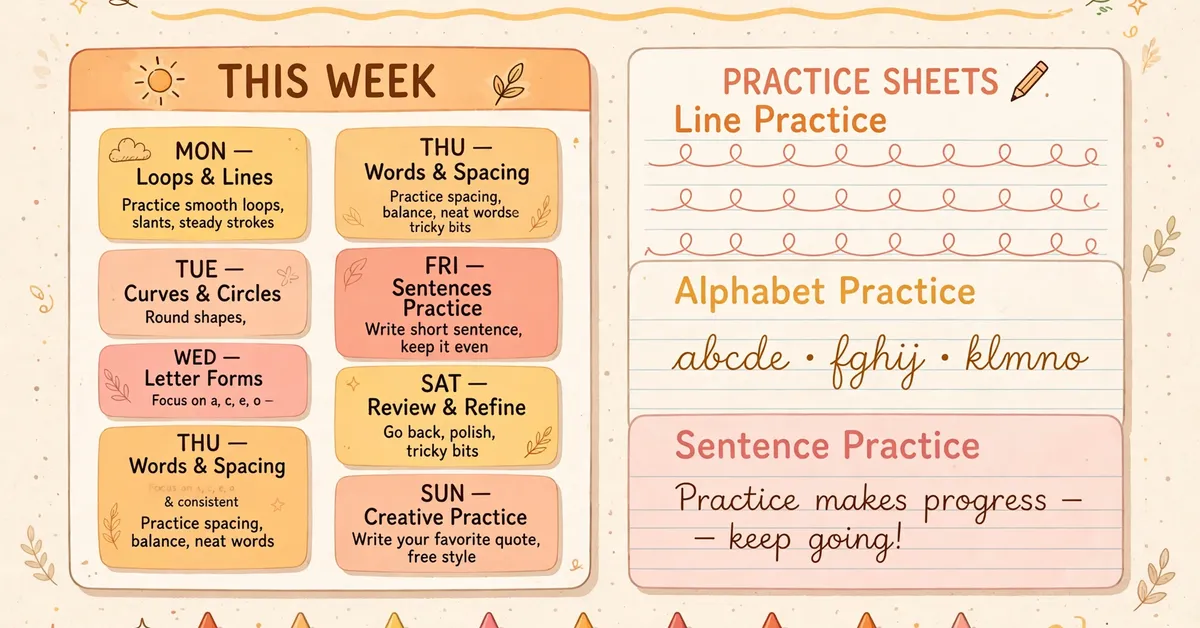
Plan five short sessions per week. Monday can cover a new letter, while Friday reviews the week with a fun theme sheet. In addition, keep sessions under 15 minutes, since young attention spans are short.
Track progress on the fridge, not in a spreadsheet. A visible chart motivates kids more than any app. Moreover, celebrate streaks, and restart gently after missed days.
The Honest Limits
Worksheets help, but they do not replace play and reading. Kids also need stories, drawing, and free play for full growth. On the other hand, a short daily sheet builds a habit that pays off at school.
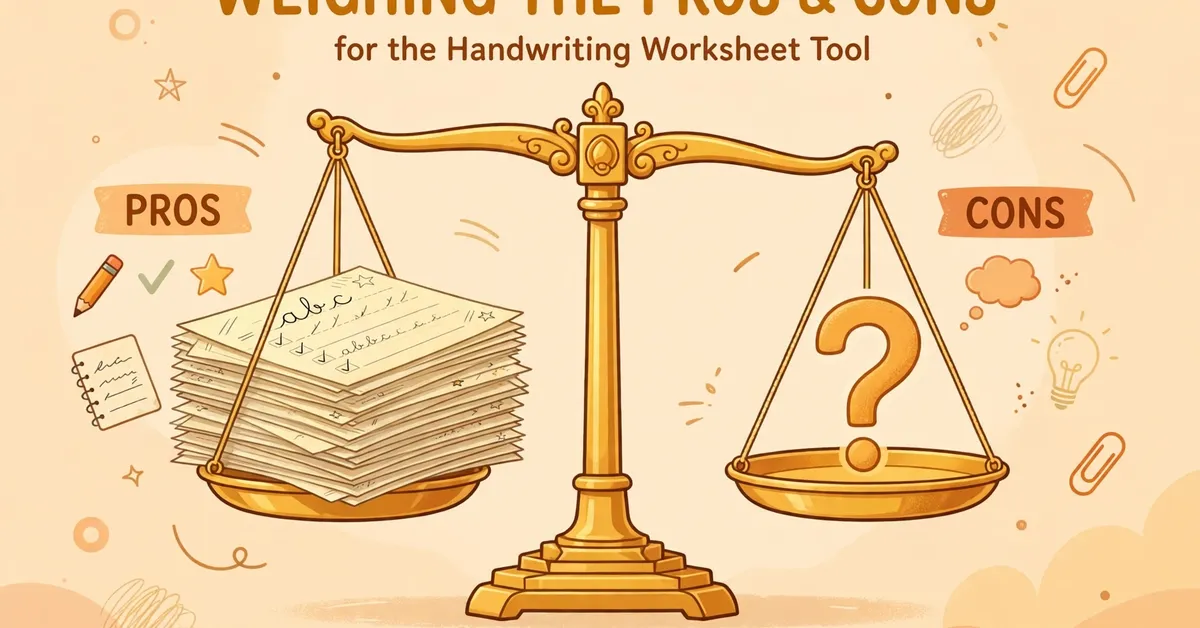
Pros and Cons of Worksheet Tools
The Pros
- 310 ready-to-use prompts.
- A to Z plus 0 to 20 plus 20 fun themes.
- Print-ready US Letter PNG and PDF at 300 dpi.
- Commercial use included.
- Flat $9.95.
The Cons
- ChatGPT Plus recommended, an extra cost, Python tool needed.
- Ages 4 to 6 only, narrow band.
- OTOs not disclosed.
- Guarantee not stated on the sales page itself, terms page only.
- Results depend on ChatGPT output quality.
Frequently Asked Questions
How many sheets per day?
One sheet per day is enough for ages 4 to 6. Short daily practice beats long sessions.
Crayons or pencils first?
Start with thick crayons for grip, then move to pencils as control improves.
Can I sell sheets I make?
With Tracey Kids, yes. Commercial use is included, so you can sell sheets you make.
My Bonus for Readers
When you pick up Tracey Kids through my link, I am adding one original bonus I created to complement this guide:
Bonus: Handwriting Practice Week Planner — a one-page weekly plan for letters, numbers, and themes.
⬇️ Download Bonus: Handwriting Practice Week Planner (PDF)
Click the download button above to get the bonus instantly — no forms, no waiting.
Final Thoughts
Printable worksheets work when practice stays short, daily, and fun. Pick one letter, print crisp sheets, and praise the effort. For my full tool verdict, read the Tracey Kids review.
✍️ My Personal Verdict
From my research, handwriting practice is a fair daily habit if you keep it short and playful. One sheet a day, five days a week, builds more skill than any big workbook push. Tools like Tracey Kids help, but the routine matters more than any tool. Bought with that clarity, your practice plan can carry a child through the early years.
Affiliate Disclosure
This guide contains affiliate links. If you buy through them, I may earn a commission at no extra cost to you. This helps support Pickzox and keeps our guides free. My views stay honest, and I only feature products I have researched with care.