
A website audit tool scans your site and tells you what is broken, slow, or missing. Most site owners never run one — then wonder why traffic stalls. Here is what these tools actually check and how to use the results.
So this guide covers the five things every good audit checks, how to fix what you find, and how to pick a tool you can trust. I will also point you to a real example — my review of AI Traffic Elite, a $14 audit tool for AI-search visibility.
Quick Answer
The short version: a website audit tool checks your site for technical errors, speed problems, content gaps, and trust issues — then gives you a prioritized fix list. Run one quarterly, fix the high-impact items first, and ignore vanity scores. The audit is only as useful as the work you do after it.
See a $14 Audit Tool in Action
What Does a Website Audit Tool Check?
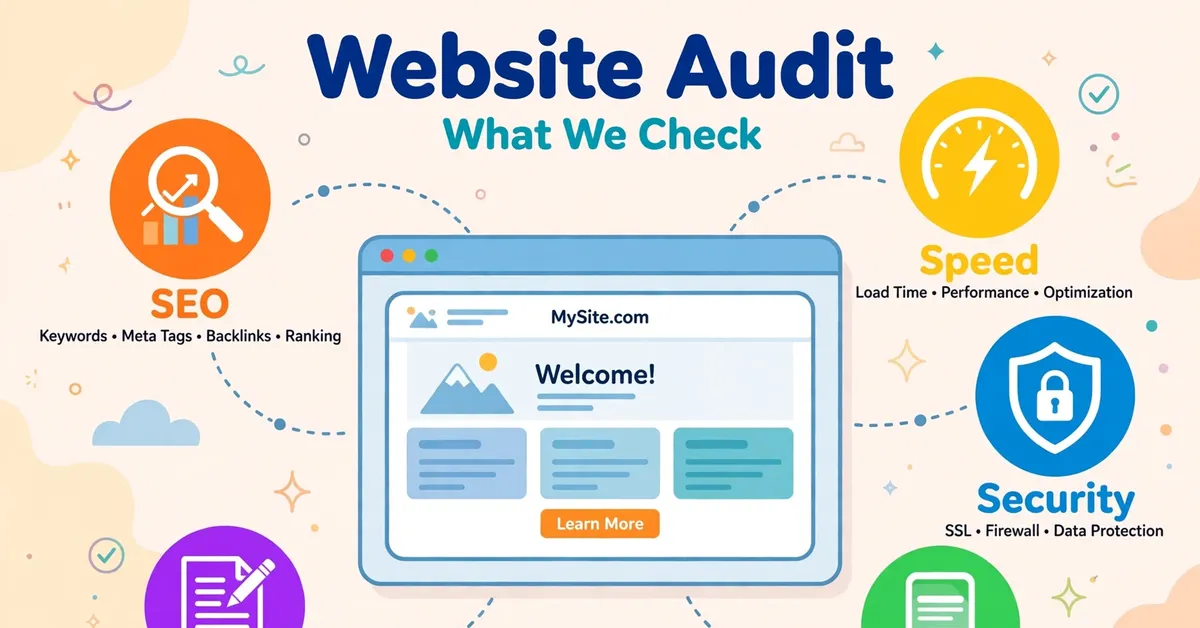
Next, the five areas every serious audit covers. First, technical SEO: broken links, missing titles, crawl errors, and sitemap problems. Second, speed: load times on desktop and mobile, plus the files slowing you down. Third, content: thin pages, missing headings, duplicate text, and gaps your competitors cover. Fourth, trust signals: HTTPS, contact info, author bylines, and fresh dates. Finally, mobile experience: layout, tap targets, and readability on small screens.
However, not every check matters equally. A broken checkout page costs you money today. A missing meta description on an old post does not. In other words, prioritize by impact, not by the tool’s color coding.
Free vs Paid Audit Tools
Free tools are fine for a first look. Google Search Console flags crawl errors and speed issues at no cost. PageSpeed Insights grades performance. But free tools stop at diagnosis — they rarely tell you what to do next in plain language. Paid tools add sequenced action plans, competitor comparisons, and client-ready reports. The honest rule: use free tools to find problems, and pay only when you need the plan and the packaging.
How to Run an Audit the Right Way
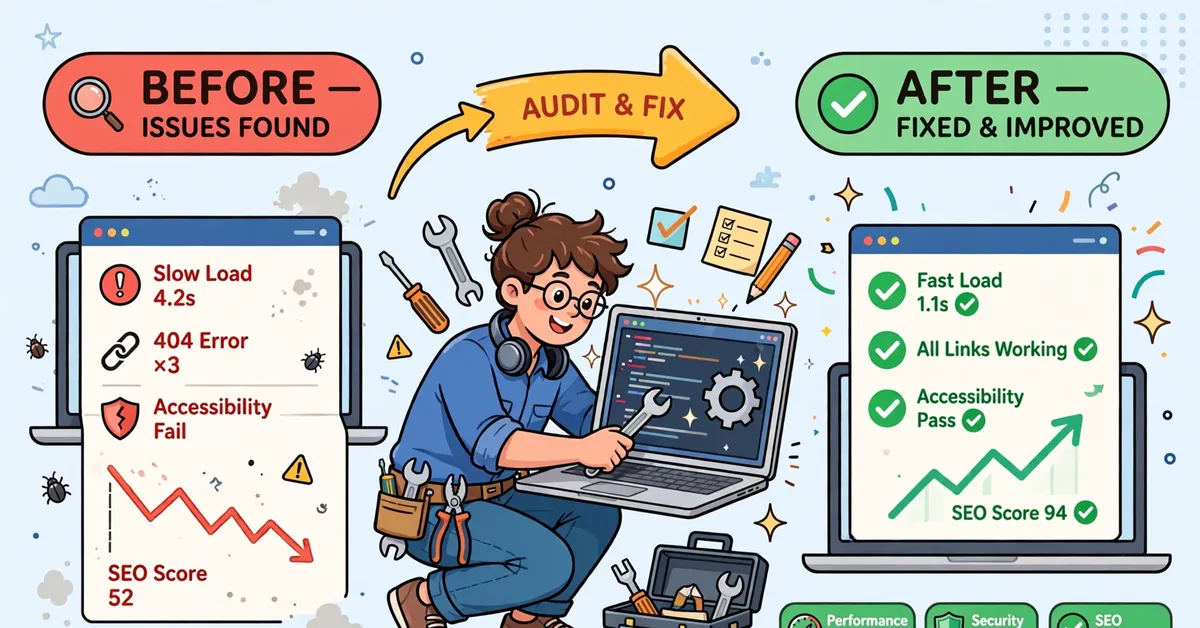
Above all, do the fixes — the audit itself changes nothing. A practical workflow has five steps. Run the audit on your most important pages first, not the whole site. Sort findings by revenue impact. Fix the top three issues before reading the rest of the report. Re-run the audit to confirm the fixes worked. Then schedule the next audit in three months. In addition, keep a simple log of what you changed — future you will thank present you.
To be clear, one audit will not transform your traffic overnight. But a site audited quarterly compounds: fewer errors, faster pages, better content — every single quarter.
Choosing an Audit Tool You Can Trust
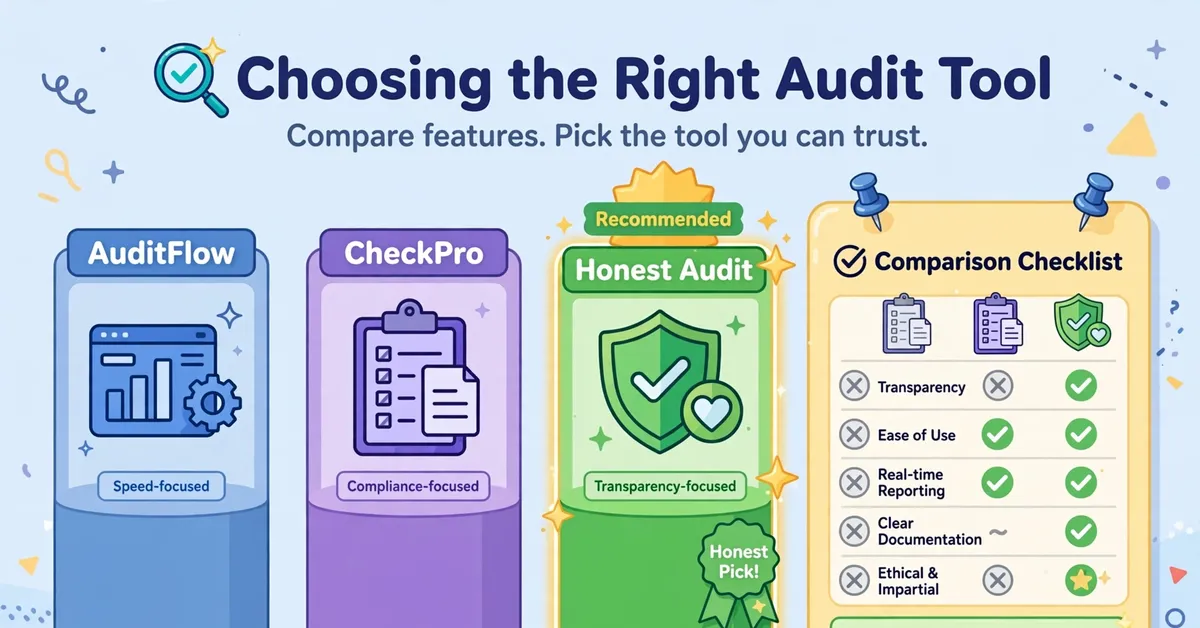
Then comes the buying decision. Judge any audit tool by three things. Transparency: does it explain what its score actually measures, or hide behind a magic number? Actionability: does it give you specific fixes, or just a grade? Honesty: does it promise guaranteed rankings, or admit that results depend on your work? Any tool promising guaranteed traffic is selling you a fantasy — walk away.
For a concrete example of how I judge these tools, read my full AI Traffic Elite review — it is a $14 audit tool I rated 3.5/5, with the proprietary-score problem explained honestly.
Read the AI Traffic Elite Review
Common Mistakes to Avoid
- Running an audit and never fixing anything.
- Chasing a perfect score instead of fixing revenue-impacting issues.
- Auditing once and never again.
- Trusting a proprietary score as if it were an official ranking factor.
- Buying the most expensive tool before trying a cheap one.
Frequently Asked Questions
How often should I audit my website?
Quarterly is the sweet spot for most sites. Monthly makes sense if you publish daily or run a store. Yearly is too rare — problems compound silently.
Are free audit tools enough?
For finding problems, usually yes. For sequenced fix plans and client-ready reports, paid tools earn their keep. Start free, upgrade when the free tier limits you.
Do audit scores actually matter?
Only as a rough trend line. A score moving from 52 to 78 tells you the site improved. But no score — free or paid — is an official ranking factor. Fix issues, not numbers.
Final Word
To summarize: audit tools are genuinely useful when you act on them and stay skeptical of magic scores. Run one quarterly, fix what matters, and pick tools that explain themselves. If you want to see this judgment applied to a real product, my AI Traffic Elite review walks through a $14 audit tool honestly — score hype included.
Affiliate Disclosure
Finally, this post contains affiliate links. If you buy through them, I may earn a commission at no extra cost to you. My guides stay honest: real methods, real limits, no hype.