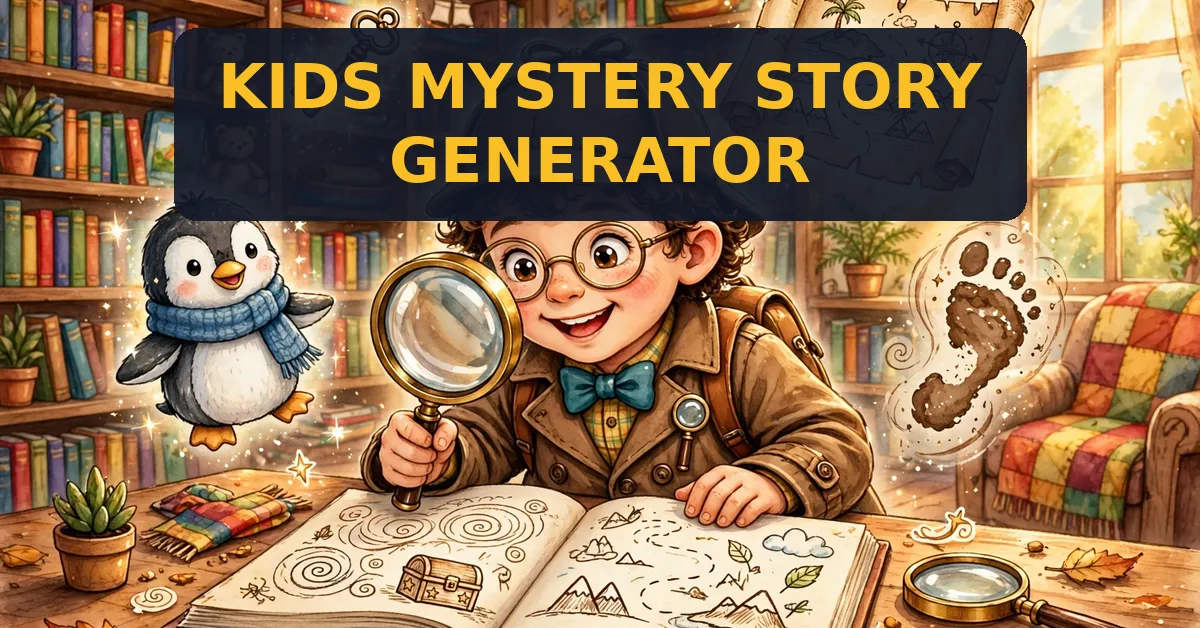
A kids mystery story generator turns one small idea into a full detective story for a child. You type in a place, a hero, or a lost object. Then the tool builds a case with clues, suspects, and a clear answer.
This guide shows you how a kids mystery story generator works, what makes one good for children, and how parents and teachers can use one well. If you want one tool that follows this pattern, read my honest review of MysteryQuest Kids AI, a system that turns one idea into a complete 30-page storybook.
Quick Answer
The short version: a kids mystery story generator is a tool that builds a child-friendly detective story from a simple prompt. It gives you a young hero, a small mystery, fair clues, and a clear solution. The best ones keep the story safe and fair, and match the reading level to the child’s age. Use one to spark reading, not to replace books. And always read the story yourself first.
What Is a Kids Mystery Story Generator?
A kids mystery story generator is a tool that creates a detective story for children. You give it a starting idea. It returns a story with a hero, a problem, clues, and an ending. The child then tries to solve the case before the last page.
Most generators work with a prompt. You type a short idea, such as a missing toy. The tool adds the story parts around it. Some tools are web apps. Others are prompt sets that you run inside an AI assistant such as ChatGPT, Claude, Gemini, or DeepSeek. The goal is the same: a complete mystery a child can enjoy and solve.
A good kids mystery story generator is not just a story writer. It is a story planner. It plans the clues first, then writes the story around them. That order matters. If the clues come first, the ending will make sense. Children love mysteries because a mystery gives the reader a job: hunt for clues, test ideas, and guess the answer.
How a Kids Mystery Story Generator Works
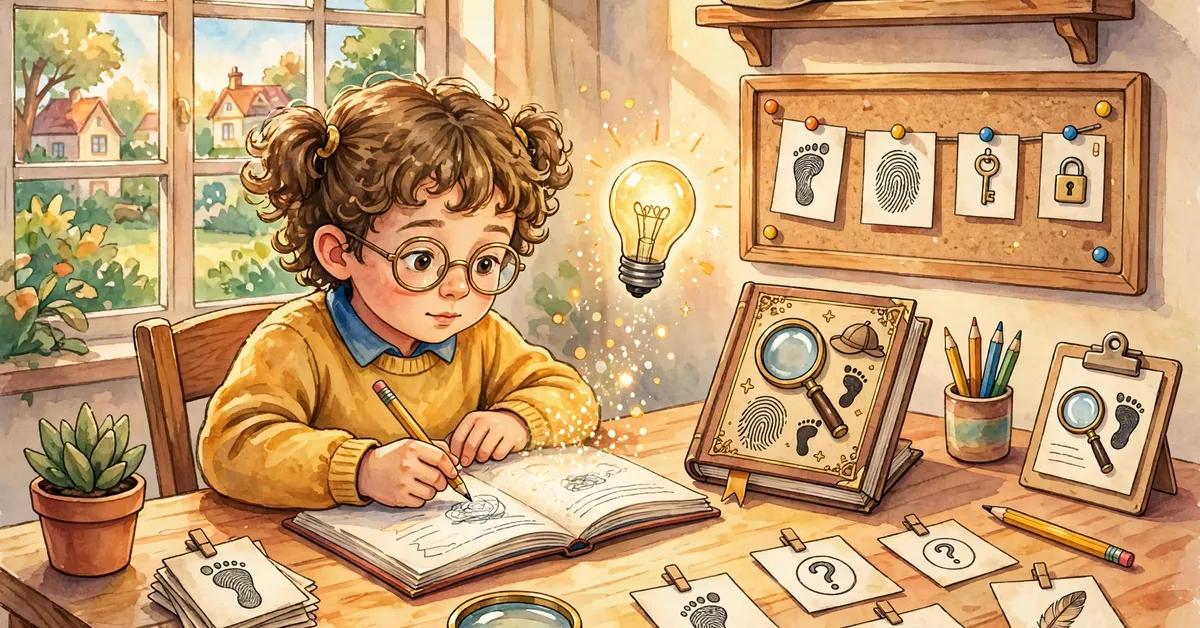
Most kids mystery story generators follow the same four steps. First, you give the tool an idea. Next, the tool builds the case. Then, it writes the story. Finally, you check the story and share it with the child.
Step 1: Give It an Idea
Start with one clear idea. A place works well, such as a museum or a school. An object works too, such as a lost key. Add the child’s name if the tool allows it. Keep the idea short. One sentence is enough. For example: “A toy penguin goes missing at a train station.”
Step 2: The Tool Builds the Case
Next, the tool plans the mystery. It picks a detective, a few suspects, and a chain of clues. It also plans the answer. A good tool plans the answer first, then places clues that point to it. That way, the child can solve the case from the clues alone.
Step 3: The Tool Writes the Story
Then the tool writes the full story. Short chapters work best, and each one should end with a small clue or a question. A story of 20 to 30 pages suits most young readers. Some tools also add puzzles, such as a secret code, that use the story clues.
Step 4: You Check It First
Always read the story before you give it to a child. Check the reading level, the clues, and the ending. No generator is perfect. A five-minute read by an adult catches a wrong name or a clue that makes no sense. The tool does the hard work, but you do the final check.
The 5 Parts of a Good Kids Mystery
Every good kids mystery has five parts. If one part is missing, the story feels weak. Use this list to judge any story a kids mystery story generator gives you.
1. A Clear Hook
The hook is the problem on page one. Something is missing, strange, or wrong. A toy has vanished, a painting looks different, or a garden gate stands open. The hook must be clear in the first few lines. A child should know what needs solving right away.
2. A Young Detective
The hero should be a child, or close to the reader’s age. A young detective makes the story feel possible. The detective needs one clear skill, such as sharp eyes or a love of puzzles. The detective also needs a friend to talk to. That talk lets the reader hear the clues out loud.
3. Fair Clues
Fair clues are the heart of a mystery. A fair clue is one the reader can see and use, such as a muddy footprint or a dropped ticket. Each clue should point toward the answer. A good kids mystery has three to five clues. One clue should be the key clue, the one that cracks the case.
4. A Gentle Puzzle
A puzzle turns reading into play. A simple code, a spot-the-difference picture, or a suspect grid all work. The puzzle must fit the age. A 6-year-old can solve a picture puzzle. A 10-year-old can crack a simple cipher. But the puzzle must always be fair, and the child should solve it from the clues in the story.
5. A Clear and Kind Ending
The ending must explain the answer in plain words. The detective should walk through the clues one by one. No hidden facts should appear at the last minute. A fair ending makes the child feel smart, not tricked. The ending should also be kind. The lost toy comes home, and the mix-up gets fixed. A child should close the book feeling happy, not scared or sad.
Age Guide: What Works for Each Age
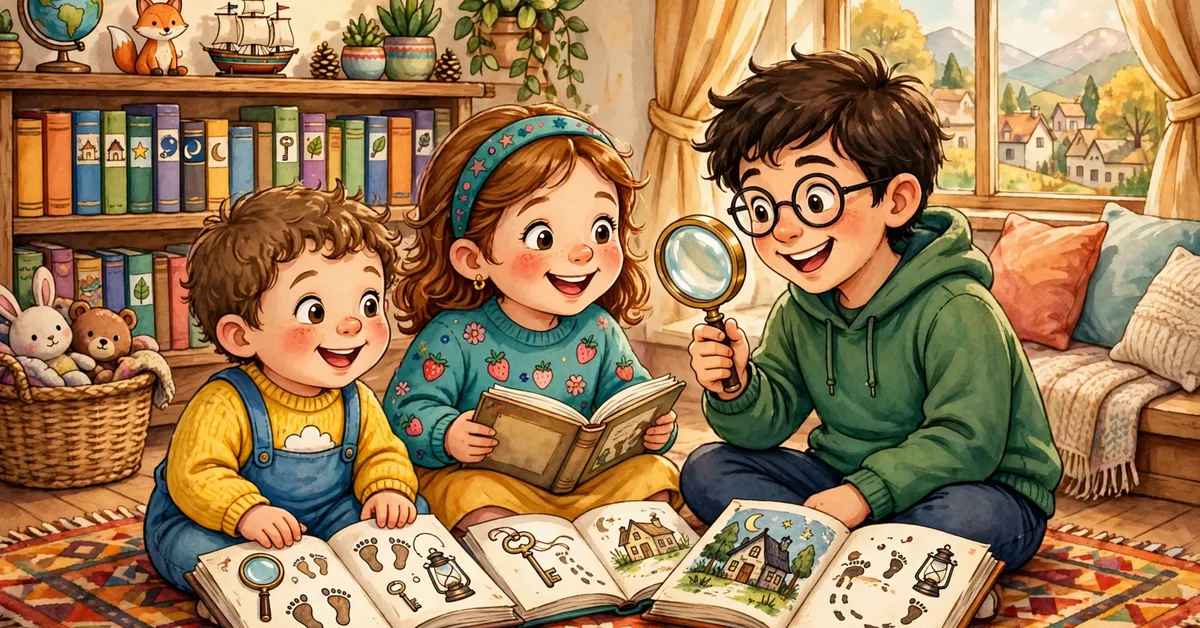
Age matters more than anything else in a kids mystery. A story that is too hard will frustrate a young reader. A story that is too easy will bore an older one. So match the mystery to the age.
Ages 5 to 6: Short and Visual
At ages 5 to 6, keep the story short and visual. Use big pictures, short lines, and one simple mystery, such as a missing toy. Use two or three clues at most. Each clue should be something the child can see, such as a red shoe or a trail of crumbs. Read the story aloud together and let the child point at the clues.
Ages 7 to 8: First Real Cases
At ages 7 to 8, children can follow a real case. They can track three clues and hold two suspects in mind. Add one simple puzzle, such as a hidden object. Let the child guess the answer before the last page. A story like “The Case of the Pumpkin,” a pumpkin patch mystery for ages 5 to 8, shows this level well.
Ages 9 to 10: Full Detective Stories
At ages 9 to 10, children want a full case. They can follow four or five clues, three suspects, and a twist that still plays fair. A museum mystery or an art gallery mystery suits this age. “The Case of the Cloudy Landscape Painting,” an art gallery mystery for ages 7 to 10, is a good example. Let the child read alone, then talk about the case together after.
These age bands are guides, not rules. A strong reader of 7 may enjoy a case made for 9. If the child solves the case too fast, raise the level next time.
Detective-Story Elements for Children
A kids mystery is not a small adult mystery. It needs its own rules. The rules below keep the story safe, fair, and fun.
First, keep it safe. A kids mystery should have no graphic violence, no real danger, and no scary threats. The problem should be a puzzle, not a crime that frightens. A missing object, a mixed-up painting, or a strange message all work. A child should feel curious, not afraid.
Next, keep the clues fair. Fair play is the top rule of detective fiction for children. Every clue the detective uses must be shown to the reader too. The answer must come from those clues. A surprise fact on the last page breaks the deal.
Then, use gentle red herrings. A red herring is a clue that points the wrong way. In kids stories, it should be soft. A muddy shoe might point to the gardener, but the real answer is the dog. The story should clear the innocent suspect kindly.
Also, give the child a role. The best kids mysteries let the reader solve the case too. A “Can you solve it?” page before the ending works well. The reader should have the same clues as the detective. Keep the language clear, with short lines and plain words.
How Parents Use a Kids Mystery Story Generator
Parents use a kids mystery story generator in three main ways. Each one builds reading skill without feeling like school.
First, bedtime mysteries. Make a short mystery and read it at bedtime. Stop before the ending and ask, “Who did it?” Let the child guess, then read the answer together. One short case per night is enough.
Next, reading practice. A mystery gives a shy reader a reason to keep going. The child wants the answer, so the child keeps reading. Pick a story at the child’s level, not above it. Read the first pages together, then let the child read the rest alone. Praise the thinking, not just the reading.
Then, rainy-day play. Print the story, add a simple puzzle page, and let the child play detective. The child can draw the scene or list the suspects. One more tip: let the child help make the story. Ask the child for the place, the hero, and the lost object.
How Teachers Use a Kids Mystery Story Generator
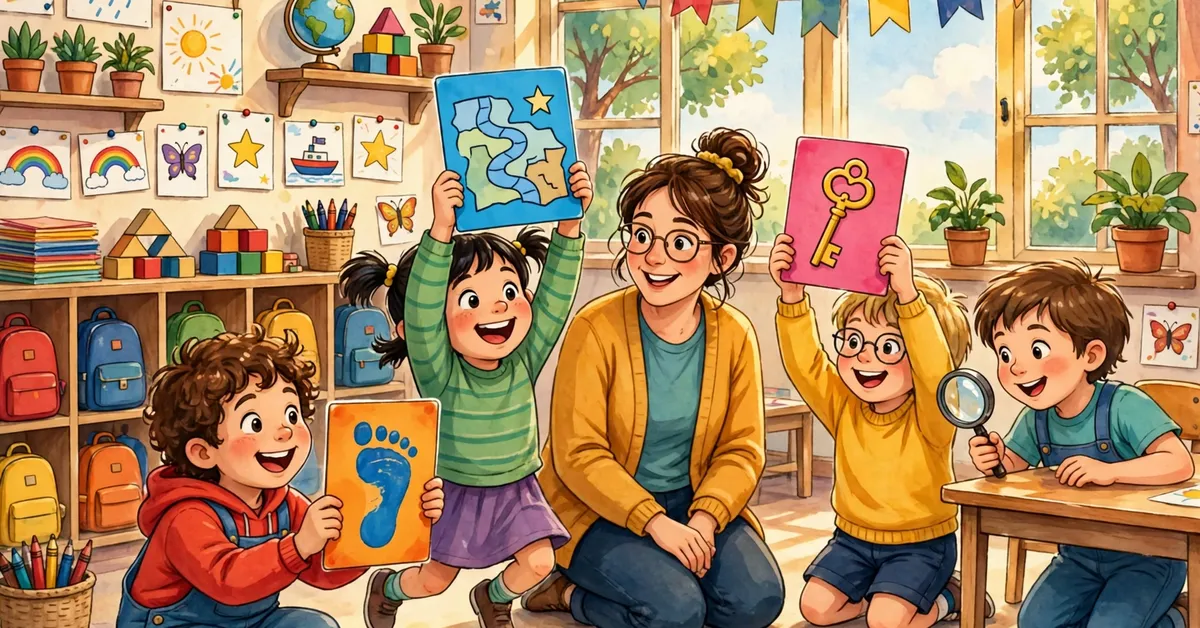
Teachers use a kids mystery story generator to make reading active. A mystery turns a quiet reading lesson into a group hunt.
First, guided reading. Read a mystery aloud in parts. Stop after each clue and ask the class what it means. Let students share ideas in pairs, then read on. This builds talk, listening, and thinking in one lesson.
Next, clue hunts. Print clue cards and hide them around the room. Each card holds one clue from the story. Students find the cards, then put the clues in order. This turns reading into movement, and it gives every child a part to play.
Finally, reading groups. Give each group a different mystery at the right level. Each group reads, solves, and presents its case. Teachers should still check each story first. A quick read before class avoids a word that is too hard.
How to Write a Good Prompt
A good prompt makes a good story. A vague prompt makes a vague story. So give the tool clear, short facts. Four facts are enough: hero, place, problem, and age.
Start with the hero. Name the detective and give one trait. For example: “Maya, age 8, loves puzzles.” Then add the place. A museum, a space station, a treasure map, or a secret garden all work. Then add the problem in one line: “A toy penguin goes missing at a train station.” Finally, add the age of the reader. The age sets the reading level and the clue count.
Here is a full prompt you can copy: “Write a mystery for a 7-year-old. The detective is Maya, age 8, who loves puzzles. The case takes place in a museum. A small painting looks different today. Use three fair clues, one simple code puzzle, and a kind ending.”
Try small changes to get new stories. Change the place and you change the case. A school mystery feels close and safe. A space station mystery feels bold and fun. So keep a list of your best prompts, and reuse the ones that work.
Here are ten idea starters you can use right away:
- A toy goes missing at a train station.
- A painting changes overnight in an art gallery.
- A pumpkin vanishes from a pumpkin patch.
- A library book has a secret note inside it.
- A garden gate stands open every morning.
- A map leads to a treasure that is not there.
- A school bell rings when no one is near it.
- A space station loses one small star chart.
- A museum ticket has the wrong date on it.
- A secret garden has a door no one can open.
Each starter is one line, and each one can grow into a full case. Pick one, add a hero and an age, and you have a prompt.
What to Check Before You Use or Buy One
Not every kids mystery story generator is worth your time. Some write weak stories. Some cost more than they seem. Use this checklist before you trust any tool with a child.
Check the Story Quality
Run one test story first. Read it all the way through. Do the clues lead to the answer? Is the ending fair? Is the language right for the age? Also check that the tool lets you set the age. A tool with no age setting will write for adults by default. If the test story fails, the tool will fail again. So try another one.
Check Safety and Tone
Read for tone as well as plot. The story should be kind, safe, and positive. There should be no graphic violence and no real fear. The “villain,” if there is one, should be a mix-up or a prank, not a threat. If the story feels dark, drop it.
Check the Price and Guarantee
If the tool costs money, check the live price before you buy. Prices change, and launch deals end. A short refund window means you must test the product the same day you buy it. For example, MysteryQuest Kids AI has only a 1-day money-back guarantee, so a buyer has just 24 hours to test it.
Check What You Actually Get
Some tools are apps. Others are prompt files that you run inside your own AI assistant. Both can work, but they are not the same. A prompt-file system needs your own AI account, such as ChatGPT or Claude. An app may need a monthly fee. So read the sales page with care. If you plan to sell the books you make, check the license too. You need a commercial license to sell on Amazon KDP, Etsy, or Teachers Pay Teachers.
One Tool That Follows This Pattern
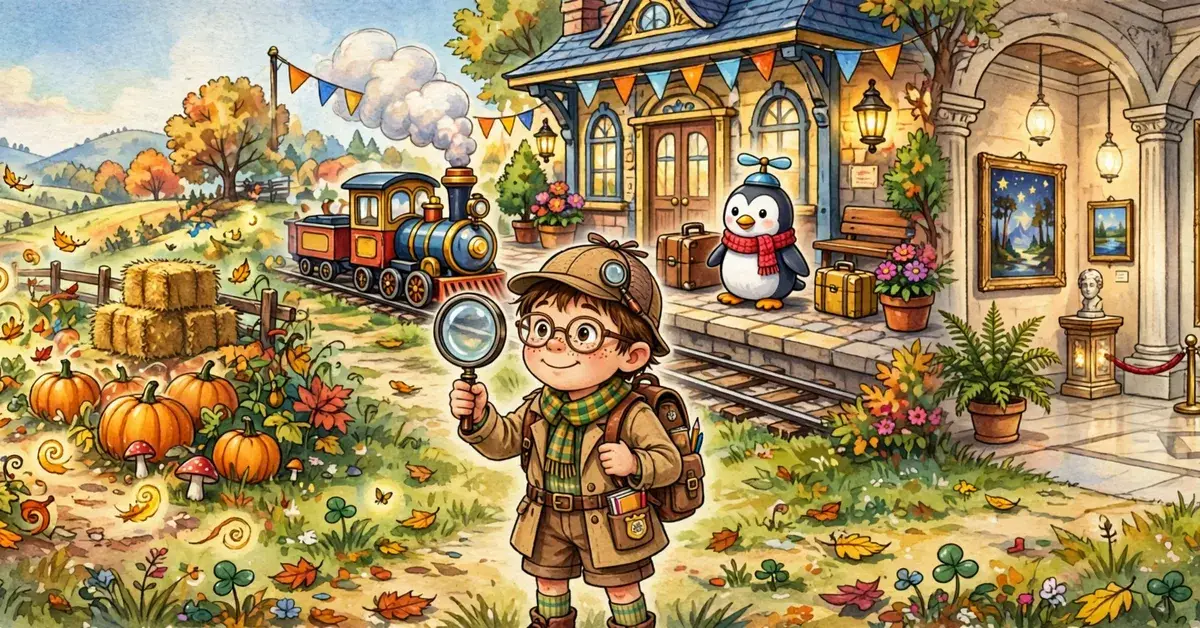
One tool that follows the pattern in this guide is MysteryQuest Kids AI, a Starter Edition system from vendor Saema Digital. It is a set of structured prompt files, not software. You run the prompts in ChatGPT, Claude, Gemini, or DeepSeek. The system gives you 317 story blueprints and 7 mystery engines, and it turns one idea into a complete 30-page kids detective mystery storybook.
The sample cases show the age range well. “The Case of the Pumpkin” is for ages 5 to 8. “The Secret of the Traveling Toy Penguin” is for ages 6 to 9. “The Case of the Cloudy Landscape Painting” is for ages 7 to 10. A commercial license is included, so you can sell the books you make, where the platform rules allow it.
My honest review rates it 3.5 out of 5. The system is real and the structure is solid, but the refund window is only 1 day, the vendor names no individual creator, and no independent buyer reviews exist yet. So it is a good tool at a fair price, not a proven one. Check the live price before you buy.
If you write for adults instead, the same vendor makes MysteryForge AI, an adult mystery system I reviewed at MysteryForge AI review. And if you want finished printables rather than a system to make your own books, my review of the Kids Learning & Activity Vault covers a 400-page pack of ready-made activities.
Common Mistakes to Avoid
Most bad kids mysteries fail in the same few ways. Here are the traps to watch for, whether you use a kids mystery story generator or write the story yourself.
First, do not skip the adult read-through. A story that goes straight from the tool to the child may hold a wrong name or a broken clue. A five-minute check fixes that.
Next, do not make the case too hard. A mystery with eight clues and four suspects will lose a young reader. Start with three clues and two suspects. Let the child win. You can raise the level later, one step at a time.
Then, do not use an unfair ending. A surprise answer that no clue pointed to will frustrate a child. So always test the ending. Ask: could a careful reader guess this from the clues? If the answer is no, fix the clues.
Also, do not forget the fun. A mystery is a game, not a test. If the story reads like homework, the child will quit. Finally, do not buy a tool on a timer. Some sales pages use a countdown that resets on a loop. That urgency is marketing, not a real deadline.
Frequently Asked Questions
What is a kids mystery story generator?
A kids mystery story generator is a tool that builds a child-friendly detective story from a simple prompt. You give it an idea, such as a place or a lost object. It returns a story with a young detective and fair clues.
What age is a kids mystery story generator for?
Most kids mystery stories suit ages 5 to 10. Ages 5 to 6 need short stories with two or three clues. Ages 7 to 8 can follow three clues and one puzzle. Ages 9 to 10 can handle four or five clues and a fair twist.
Can a kids mystery story generator help a reluctant reader?
Yes, it can help. A mystery gives the child a job: find the clues and solve the case. That job keeps a reluctant reader turning pages.
Are the stories safe for children?
A good kids mystery is safe by design: no graphic violence, no real danger, and a positive ending. But no generator is perfect, so always read the story yourself first.
Can I sell books made with a kids mystery story generator?
It depends on the tool’s license. Some tools include a commercial license, such as MysteryQuest Kids AI. Others cover personal use only.
My Personal Verdict
A kids mystery story generator is a fine tool when you use it with care. It gives a parent or a teacher a fast way to make a story a child will actually finish. The clues, the puzzles, and the fair ending teach a child to think, not just to read. But the tool is only half the job. The adult read-through and the age check matter just as much.
Disclosure
This guide contains no affiliate links. It links to my own review of MysteryQuest Kids AI, and that review contains affiliate links. If you buy through them, Pickzox may earn a commission at no extra cost to you.